

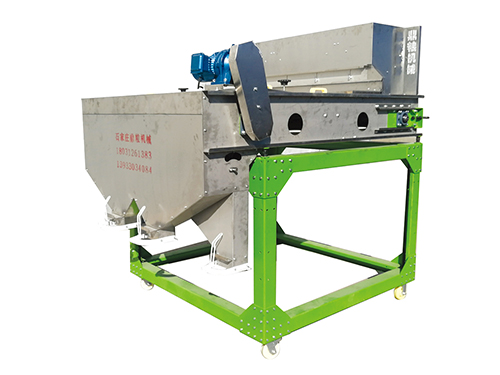
After a period of service, the gear teeth of grain selection equipment mostly suffer from varying degrees of wear, which can be classified into mild wear, moderate wear, severe wear, abrasive wear and corrosive wear.
The service life of large gears can reach more than 12 years. However, in practical applications, the service life of large gears in most mills is only about 5 to 8 years, and some even less than 4 years.
Characteristics of mild wear: extremely slow and uniform. After wear, the tooth surface becomes smooth and bright. Mild wear can be caused by mismatches among the surface roughness of contact teeth, lubricating oil viscosity, operating speed of tooth surfaces and working loads.
Severe wear will abrade the gear tooth surfaces, damage the tooth profile, and shorten the service life of gears. Solutions include adopting appropriate sealing forms and lubrication devices, increasing operating speed, reducing vibration loads, and modifying the gear’s geometric parameters, materials, precision and tooth surface roughness.
Meticulous daily maintenance and overhaul are crucial to ensuring the normal operation of gears and reducing wear, such as regularly inspecting gear wear and the temperature of gear meshing surfaces. Technicians need to perform regular maintenance on grain selection equipment to avoid serious losses.