

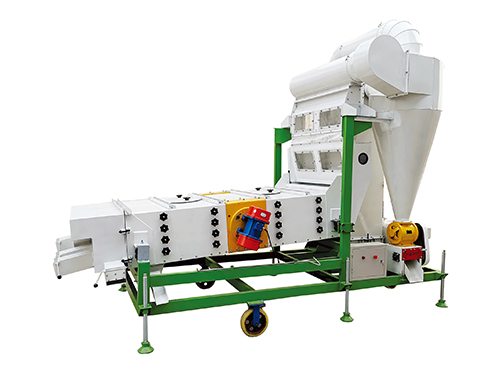
The selection of screen materials for grain de-stoner requires comprehensive consideration of material characteristics including particle size, moisture content, hardness and corrosiveness. The relevant selection principles are specified as follows:
1. Material Particle Size
Fine-grain materials: Woven screens are suitable for fine materials such as millet and rapeseed. Woven screens can be manufactured with extremely fine mesh openings, which can effectively trap stones in fine materials and prevent material leakage. Featuring diverse mesh shapes, they allow targeted selection according to material characteristics to improve screening efficiency.
Coarse-grain materials: Perforated screen plates are applicable to coarse materials such as corn and soybeans. With large and regularly shaped holes, perforated screen plates allow smooth passage of coarse grains while efficiently separating impurities and stones. In addition, they possess high structural strength to withstand impact and abrasion from coarse materials.
2. Material Moisture Content
Wet materials: Stainless steel screens shall be adopted for high-moisture materials such as freshly harvested rice and damp grains. Stainless steel delivers excellent corrosion resistance against moisture erosion in humid environments, preventing rusting and ensuring stable screen performance. Meanwhile, the smooth surface of stainless steel facilitates material sliding, reduces adhesion and minimizes mesh clogging.
Dry materials: Dry materials including wheat and mung beans impose low requirements on corrosion resistance. Screen materials can be selected based on other material properties. Woven screens are suitable for fine dry grains, while ordinary carbon steel perforated plates are cost-effective and sufficient for coarse dry materials.
3. Material Hardness
High-hardness materials: Hard materials such as stone-impurity-rich grains cause severe screen abrasion during processing. Wear-resistant materials including alloy steel and polyurethane are recommended. Alloy steel features high strength and hardness to resist friction and impact, extending screen service life. Polyurethane screens provide superior elasticity and wear resistance, effectively buffering material impact, reducing abrasion, and resisting mesh blockage to improve stone removal performance.
Low-hardness materials: Soft materials such as rice and peanuts have low abrasion requirements. Conventional stainless steel or carbon steel screens can meet stone separation demands with favorable cost performance.
4. Material Corrosiveness
Corrosive materials: For materials containing acidic, alkaline or corrosive components, highly corrosion-resistant screens such as stainless steel and PTFE (Polytetrafluoroethylene) must be used. Stainless steel resists general acid and alkali corrosion, while PTFE features excellent chemical stability against strong acids, strong alkalis and organic solvents. These materials prevent screen corrosion and damage, ensuring stable operation and consistent stone removal effect of the destoner.
Non-corrosive materials: For conventional non-corrosive grain materials, screen selection can be determined by other material characteristics and working conditions. Ordinary carbon steel or stainless steel screens are competent for general grain processing. For scenarios with high hygiene requirements in food processing, stainless steel screens are the preferred option due to easy cleaning and full compliance with food safety standards.