

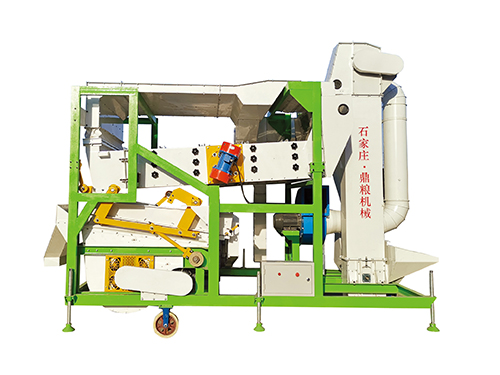
Grain grading machine play a vital role in the grain processing process. They can classify grains quickly and accurately according to factors such as size and quality, thereby enhancing the utilization value and market competitiveness of grains.
1. Working Principle of Grain grading machine
Grain grading machine mainly adopt technologies including vibration screening and air separation. By setting different parameters, grains are divided into various grades. Equipped with advanced sensors and control systems, these machines can monitor and adjust the grading process in real time to ensure grading accuracy and operational stability.
2. Application Scenarios of Grain grading machine
Grain grading machine are widely used in various grain processing enterprises, such as rice mills and flour mills. In such scenarios, they effectively boost production efficiency and product quality, while reducing labor costs and material waste.
3. How to Select a Suitable Grain Grader
Multiple factors need to be taken into account when selecting a grain grader, including processing capacity, grading precision, equipment stability and after-sales service. In addition, enterprises shall choose appropriate models and specifications based on actual production demands and budget.
4. Precautions for Operation and Maintenance
Regular maintenance and upkeep are required to ensure the normal operation and service life of grain grading machine. Meanwhile, operators must be familiar with equipment operation specifications and safety guidelines to prevent equipment damage or personal injury caused by improper operation.
As core equipment in the modern grain processing industry, grain grading machine deliver remarkable economic benefits to processing enterprises through high-efficiency and high-precision grading performance. With continuous technological advancement, grain grading machine will become more intelligent and high-efficiency in the future, injecting new momentum into the sustainable development of the grain industry.