

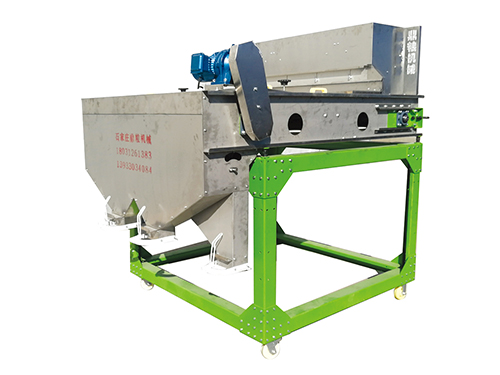
The core maintenance principles for the screen mesh of grain cleaning machines are: perform daily cleaning, regularly check tension and damage, avoid overloaded operation, and replace worn screens in a timely manner.
Clean immediately after operation
Remove grains, debris and dust trapped in mesh holes with a soft brush or compressed air (pressure ≤ 0.3 MPa). Never scrape the mesh with hard objects or flush it with high-pressure water to prevent deformation and rust. Residual materials tend to cake, corrode the mesh surface or clog the holes.
Inspect the screen mesh daily
Check for holes, broken wires, enlarged apertures (over 10% of the original size) or loose edges. Meanwhile, ensure the mesh is evenly tensioned without slack or offset, so as to avoid tearing caused by excessive vibration.
Regular tightening and calibration
Check the fixing bolts of the screen frame for looseness every shift. Verify the position of vibration eccentric blocks and the inclination of the screen surface every quarter to guarantee stable screening efficiency and balanced stress.
Standardized installation and load control
Install the screen flat to ensure uniform stress and prevent partial stretching. Feed materials in accordance with the machine’s rated capacity, as overloading will accelerate wear.
Protection for long-term shutdown
If the machine is out of service for more than one month, thoroughly clean and dry the screen. Apply a thin layer of food-grade rust inhibitor for metal screens where applicable. Store the equipment in a dry and ventilated place and cover it with a dust cover. Run the machine idle for 10 to 15 minutes every month to prevent jamming.
Replacement according to wear level
The service life of screen meshes is generally 1 to 2 years, depending on material hardness and daily working hours. Replace the screen with one of the same specifications immediately once screening efficiency declines (e.g., impurities mixed into clean grain), hole clogging occurs frequently, or structural damage appears.
Do not use corrosive detergents. Non-stainless steel screens must be kept away from humid environments. Wear protective gloves during operation and only touch the screen after the machine is fully stopped. Keep maintenance records and adjust maintenance cycles dynamically according to actual working conditions.